
Article
Filming across borders with cinematographers from Thailand, Myanmar, Vietnam and Cambodia, this piece explores how collaboration turns cinema into a shared space where cultures meet, stories deepen, and Southeast Asia is seen together.

Cinema often brings people together in ways that transcend language, geography, and politics. While working as the Director of Photography on the short film Incident on the Mountain, I experienced firsthand how filmmaking can become a space where cultures meet, exchange ideas, and learn from one another. What began as a film production gradually revealed itself to be something more meaningful: a shared creative experience among filmmakers from across Southeast Asia.
The production brought together artists and crew members from four countries—Thailand, Myanmar, Vietnam, and Cambodia. Each came with different backgrounds, working cultures, and creative perspectives. At first, we were simply a team trying to complete a film. But over time, the project became a small example of what regional collaboration in Southeast Asian cinema could look like.
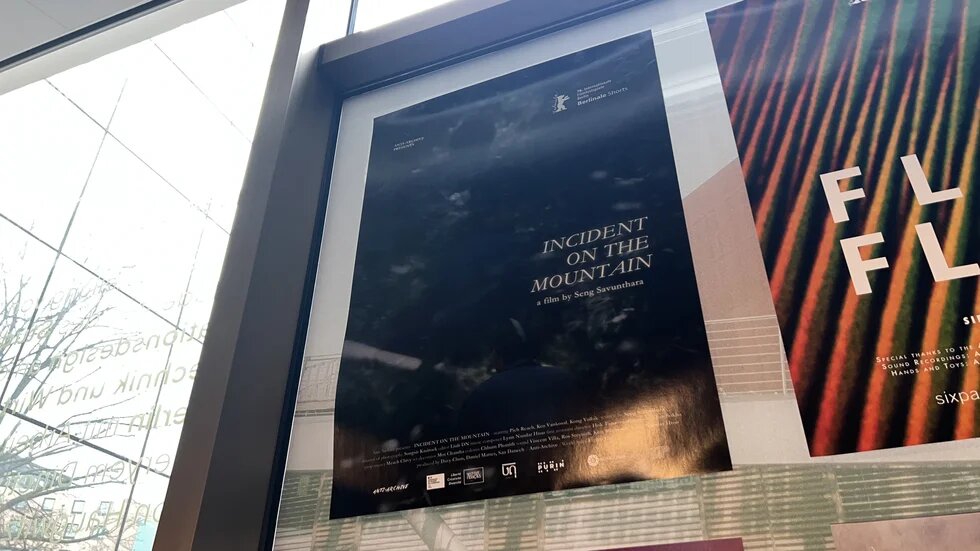
Incident on the Mountain tells the story of a journalist who travels deep into the mountains of mainland Southeast Asia to investigate a mysterious helicopter crash that occurred many years earlier. Accompanied by a soldier, he follows an overgrown forest trail toward the crash site. Along the way, they encounter a shaman who speaks about an animistic rain ritual tied to the land. As the journey continues, the journalist becomes increasingly disoriented. Sounds echo through the jungle, images repeat themselves, and the boundary between past and present begins to blur.
The story draws inspiration from fragments of the helicopter incidents while also reflecting the sacredness of the forest—an environment deeply connected to ancestral beliefs and the early origins of Khmer civilization. In the film, the jungle is not simply a setting but a presence that carries memory, spirituality, and history.
For me as a cinematographer, the jungle as a space, became an essential part of the storytelling. The dense vegetation, shifting light, and constant sounds of the jungle created a rhythm that shaped how we framed and moved the camera. Filming in such an environment required patience and careful observation. Light filtered gently through the canopy, changing throughout the day and revealing subtle textures in the landscape.
Working in the jungle reminded me that filmmaking is deeply shaped by place. The jungle demanded that we slow down and observe. Every moment in the environment offered new visual possibilities, and the landscape itself helped define the film’s atmosphere.
Yet filmmaking is never only about location. It is equally about the people who experience that place together. The most meaningful part of the project was the collaboration among filmmakers from across Southeast Asia.
Although our countries share geographical proximity and many historical connections, opportunities for regional collaboration in filmmaking remain relatively limited. Film industries in Southeast Asia are still largely organized along national lines, shaped by different languages, funding systems, and production cultures. As a result, filmmakers in the region often know more about European or American cinema than about the work of their neighbors.
Working together on this film showed how much potential exists when regional collaboration becomes possible. At first, differences in language and working styles were noticeable. Communication required patience, and production methods varied between teams. However, these differences quickly became part of the creative process rather than obstacles.
Instead of barriers, they created moments of exchange. Team members shared different perspectives on storytelling, visual language, and cultural meaning. Conversations about scenes or lighting often opened wider discussions about memory, landscape, and the role of cinema in society.
Through these exchanges, the film gradually became shaped by a mixture of sensibilities rather than a single cinematic tradition. This blending of perspectives allowed the project to reflect the diversity of the region in a more organic way.
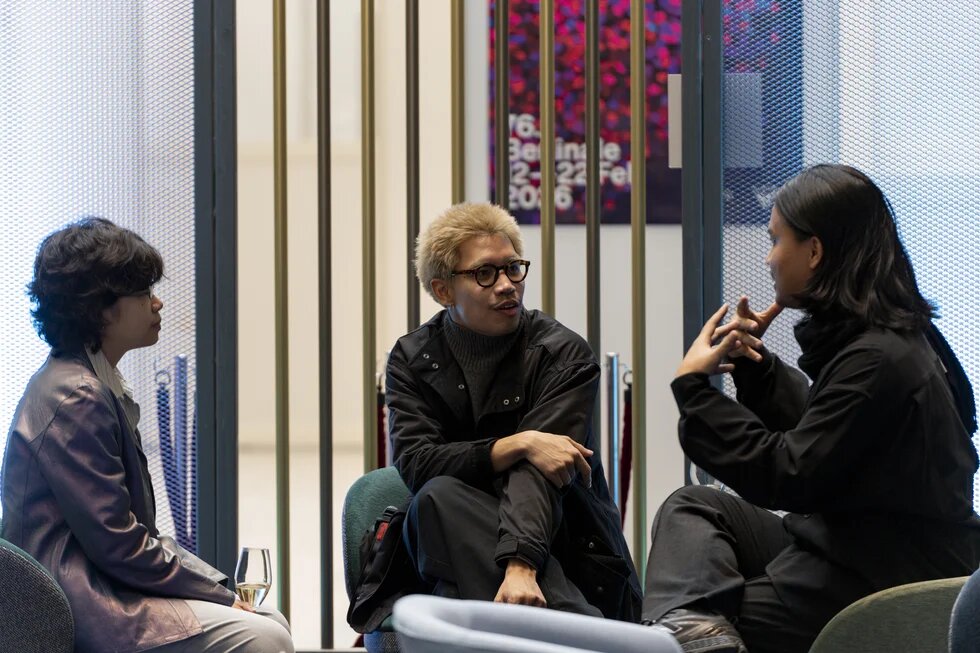
Regional collaboration also encourages filmmakers to rethink how Southeast Asian stories are told. Cinematic language in the region has often been influenced by dominant global industries. While international influences can be valuable, they sometimes overshadow local ways of seeing and storytelling.
When filmmakers from Southeast Asia work together, new possibilities emerge. Shared cultural experiences—such as relationships to land, spirituality, and history—can be explored through perspectives that feel more rooted in the region. At the same time, differences between cultures encourage dialogue and reinterpretation.
During the production, I observed how each team approached filmmaking through its own experiences. Sometimes the differences were practical, such as how crews organized equipment or communicated during a shoot. At other times, they were artistic, shaping how we interpreted the mood of a scene or the emotional tone of the story.
These moments of exchange were among the most valuable aspects of the experience. They reminded me that collaboration in cinema is not only about completing a film. It is also about learning from one another.
In many ways, filmmaking mirrors the broader challenges of regional cooperation in Southeast Asia. Our countries share deep historical and cultural connections, yet collaboration often remains limited by national boundaries and institutional structures. Artistic collaboration can help bridge these gaps by creating spaces for dialogue and trust.
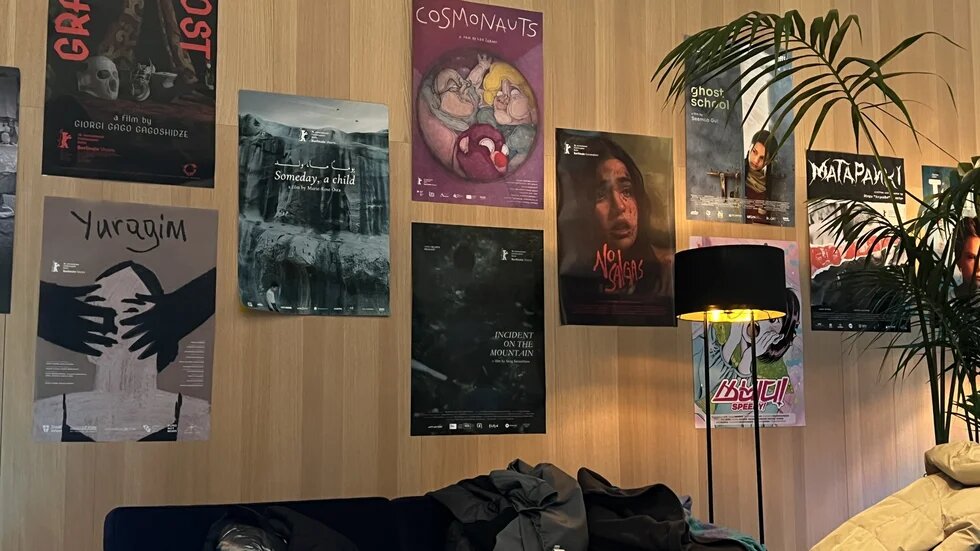
Projects like Incident on the Mountain demonstrate how creative work can connect people across borders. When filmmakers from different Southeast Asian countries share the same set, they also share stories, perspectives, and experiences. These exchanges build understanding that extends far beyond the film itself.
From my perspective as a regional filmmaker, strengthening these connections is essential for the future of Southeast Asian cinema. Our region is incredibly diverse, but it is also deeply interconnected. Landscapes, traditions, and histories often cross national boundaries, and cinema can help reflect these shared experiences.
However, for this potential to grow, regional exchange must be supported more actively. Film institutions, cultural organizations, and funding bodies should create more opportunities for cross-border collaboration in Southeast Asia. Joint productions, regional workshops, exchange programs, and collaborative film festivals can all play an important role in building these networks.
Encouraging regional collaboration is not only about artistic innovation. It is also about building mutual respect and long-term cooperation among cultural communities. When filmmakers work together, they learn to understand the social and historical contexts that shape each other’s stories.
As a filmmaker from Southeast Asia, I strongly believe that regional exchange should become a normal part of our creative ecosystem rather than a rare exception. By supporting collaboration across borders, we can strengthen our regional film culture while fostering greater understanding among our societies.
In the end, cinema allows us to see the region through each other’s eyes. By telling stories together, Southeast Asian filmmakers can help build a future where creativity, respect, and cooperation grow alongside our shared cultural landscape.
__
Songsit Kasiroek is a Thailand-based cinematographer working across film, video art, music videos, and commercial productions since 2018. His known works include Underground Cemetery (2021), Voices of the New Gen (2022), The Body Craves Impact as Love Bursts (2024) and Incident on the Mountain (2026)
Disclaimer: This published work was prepared with the support of the Heinrich Böll Stiftung. The views and analysis contained in the work are those of the author and do not necessarily represent the views of the foundation. The author is responsible for any liability claims against copyright breaches of graphics, photograph, images, audio, and text used.
For Photo Essay "From the Mountain to Berlinale" you can click here
